Views: 0 Author: Site Editor Publish Time: 2026-01-29 Origin: Site
Have you ever stopped to think about the humble item you use to wipe your mouth during a meal? The napkin is a universal staple, found in homes, restaurants, and at events worldwide. Yet, many people confuse it with a paper tissue. While both are disposable paper products, the napkin and the paper tissue serve distinct purposes and have unique characteristics. Understanding the difference is key to appreciating their specific roles in hygiene and dining etiquette.
This article will explore the world of the napkin. We will define what a paper napkin is, examine its history, and detail its various uses. Furthermore, we will draw a clear line between a napkin and a paper tissue, helping you understand why one can't always substitute for the other.
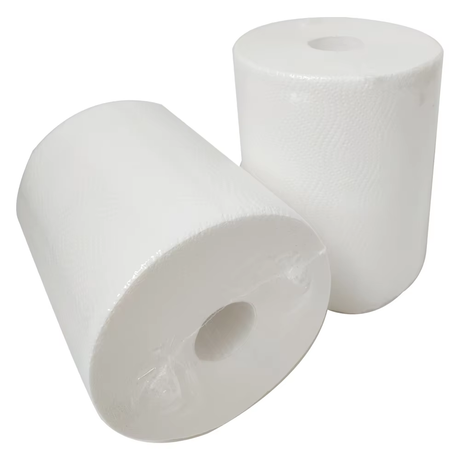
A napkin is a piece of material, either cloth or paper, used at the table to wipe the mouth and fingers while eating. The most common type today is the paper napkin, a disposable and convenient option for daily use. A quality paper napkin is designed to be absorbent and strong enough to handle spills and messes without tearing apart immediately. The primary function of any napkin is to maintain cleanliness and etiquette during a meal.
The concept of using something to clean one's hands during a meal is ancient. The Spartans of ancient Greece used pieces of dough, while the Romans used either cloth squares or their hands, which they washed between courses. The cloth napkin as we know it became popular among European nobility in the Middle Ages, serving as a status symbol. It wasn't until the late 19th century that the disposable paper napkin was introduced, revolutionizing dining habits by offering a practical and hygienic alternative. The modern paper napkin has since become an indispensable part of casual and formal dining.
A napkin can be made from various materials. Cloth napkins are often crafted from cotton, linen, or polyester blends, prized for their reusability and elegant feel. However, the paper napkin is far more common for everyday situations. These are typically made from wood pulp, the same raw material used for a paper tissue. The manufacturing process, however, differs significantly, resulting in a product with a different texture, thickness, and strength. The focus for a paper napkin is durability and absorbency suitable for dining.
At a glance, a paper napkin and a paper tissue might seem interchangeable. Both are soft, disposable paper products. However, their intended uses dictate their design and composition. A paper tissue, often called a facial tissue, is engineered to be extremely soft and gentle for contact with the sensitive skin on your face, particularly your nose. In contrast, a paper napkin is built for the rigors of a meal. It needs to absorb liquids and scrub away food residue without disintegrating.
A key difference lies in a chemical agent known as "wet strength." A paper napkin is treated with this agent to help it hold together when it gets damp. A paper tissue is not. If you’ve ever tried to clean up a spill with a paper tissue, you know it falls apart almost instantly. A paper napkin is designed specifically to avoid this problem.
The primary distinction is function. A paper tissue is for personal hygiene, like blowing your nose or dabbing your eyes. Its softness is paramount. A paper napkin is for table hygiene. Its strength and absorbency are its most important features. Using a paper tissue as a napkin often leads to it shredding and leaving lint on your face and clothes. Conversely, using a rough paper napkin on a sore nose would be quite uncomfortable.
Feature | Paper Napkin | Paper Tissue |
|---|---|---|
Primary Use | Dining, wiping mouth and hands | Personal hygiene, blowing nose |
Key Quality | Strength and absorbency | Softness and gentleness |
Wet Strength | High, treated to stay intact when wet | Low, designed to break down easily |
Texture | Often embossed, can be slightly rough | Very smooth and soft |
Layers (Ply) | Typically 1-ply or 2-ply for strength | Often 2-ply or 3-ply for softness |
This table clearly shows that while both are paper products, the paper napkin and paper tissue are engineered for very different tasks.
The versatility of the paper napkin extends far beyond the dinner table. Its durability and convenience make it a go-to item in many situations. From simple meals to creative projects, the humble paper napkin proves its worth time and again.
At the table, the napkin has several functions. It's placed on the lap to protect clothing from spills. It is used to gracefully dab the corners of the mouth. You can also use a napkin to wipe sticky fingers. In restaurants, a paper napkin is often used to wrap silverware, signaling a clean and ready-to-use set of utensils. The simple presence of a napkin elevates the dining experience by promoting cleanliness. A good paper napkin can handle these tasks without tearing.
Absolutely. The paper napkin is a multi-purpose tool. It’s perfect for packing in a lunchbox for school or work. A spare napkin in a car’s glove compartment can be a lifesaver for cleaning up small coffee spills or wiping down the dashboard. At parties, a beverage napkin is essential for soaking up condensation from cold drinks, protecting furniture from water rings. Many people also use a sturdy paper napkin for minor cleaning tasks around the kitchen, like wiping up crumbs or small puddles.
Yes, the paper napkin can also be a decorative element. With countless colors, patterns, and sizes available, a paper napkin can be chosen to match a party's theme or a home's decor. Napkin folding, or "napkin origami," is a fun way to add a touch of elegance to a table setting. Simple folds can turn a standard paper napkin into a beautiful and functional piece of art. Crafters also use the thin, printed layers of a decorative paper napkin for decoupage projects, applying them to furniture, boxes, and other items to add intricate designs.
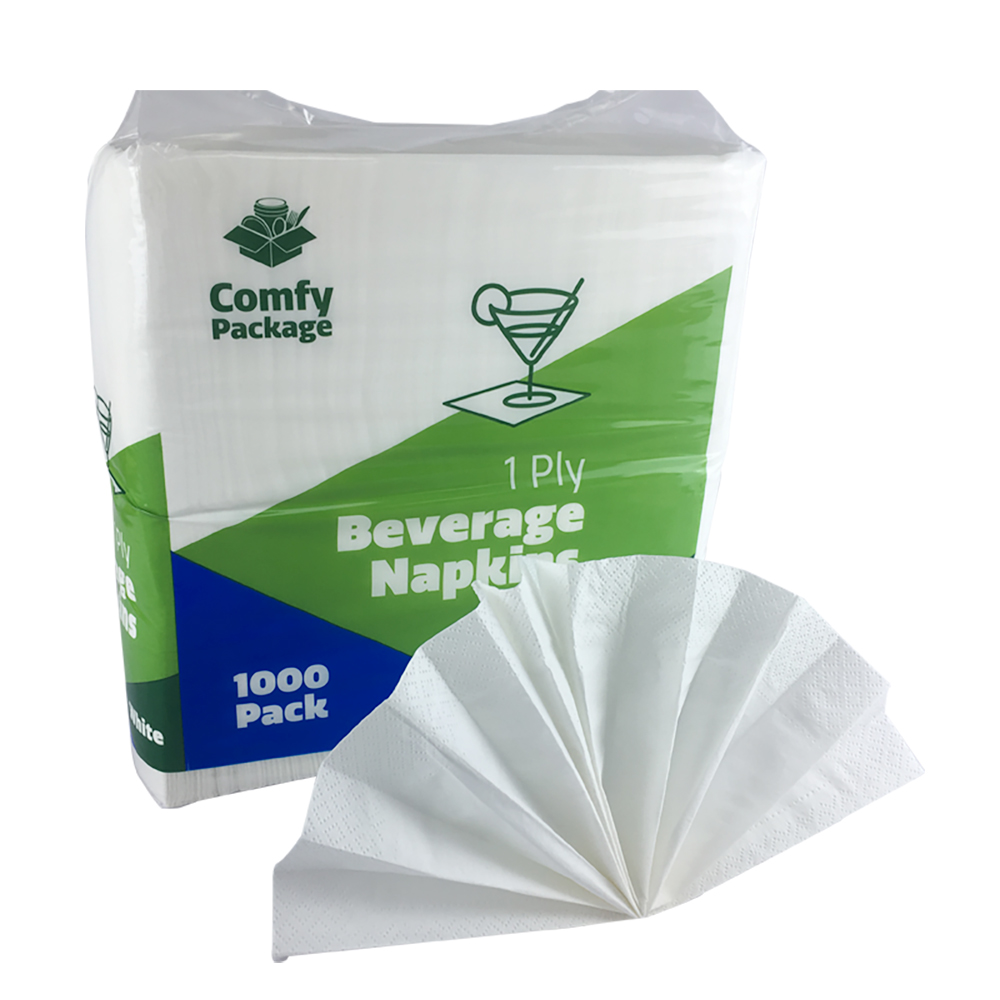
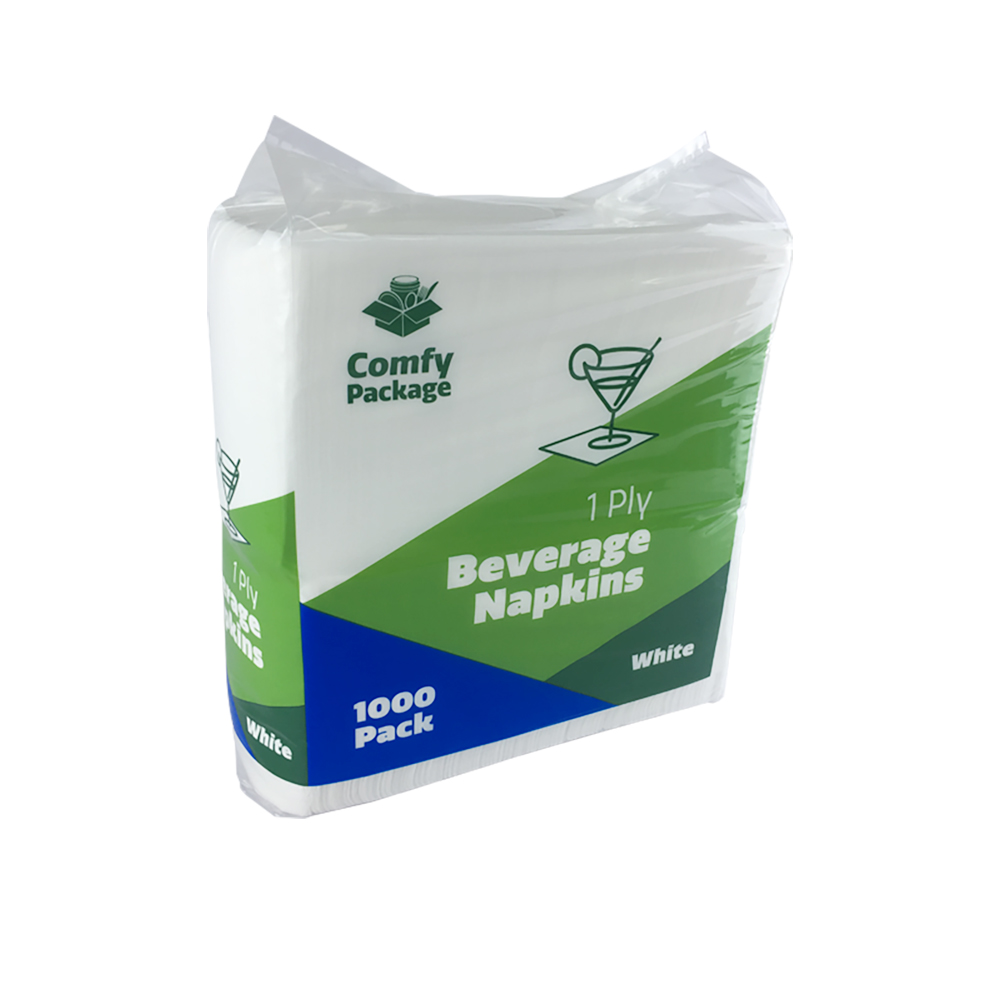
A paper napkin is a disposable square or rectangle of paper designed for use during meals to wipe one's mouth and hands. It is manufactured to be more absorbent and stronger than a facial paper tissue to handle food and liquid spills without easily tearing.
While you can in a pinch, it is not ideal. A paper tissue lacks the wet strength of a paper napkin and will likely shred or dissolve when used to wipe up spills or greasy food, leaving behind lint. A napkin is always the better choice for dining.
A paper napkin feels rougher because it is engineered for strength and absorbency, not softness. The manufacturing process and the addition of wet-strength resins create a more durable paper. A paper tissue, in contrast, is processed to maximize softness for gentle use on the face.
In many cases, yes. A plain, unsoiled paper napkin can be composted. However, if the napkin is soaked in oil, grease, or harsh cleaning chemicals, it should be thrown in the trash. Always check your local composting guidelines.
A 1-ply paper napkin consists of a single layer of paper, making it more economical but less absorbent. A 2-ply paper napkin has two layers pressed together, offering increased softness, absorbency, and strength. The choice between them often depends on the setting; a 1-ply napkin is common for fast-food, while a 2-ply napkin is preferred for casual dining.


For high-quality paper napkin products designed for strength, absorbency, and reliability, consider the offerings from Baoda Paper.
Email: sale@baodapaper.com
Phone: +86-750-6895212

| | Address: Xinyuan Industrial Development , Xinhui District , Jiangmen City, Guangdong province , China |
| | Custom Support & Sale: +86-750-6895212 |
| | phone: +86-13380963281 |
| | E-mail: sale@baodapaper.com??????? |